AI & Technology
Emerging Roles for Graphic Designers in the AI Era
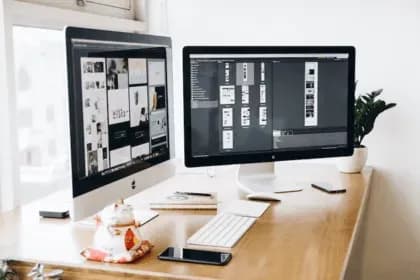
The increasing capability of artificial intelligence algorithms is transforming the graphic design field. As AI handles more basic design and production tasks automatically, the role of human graphic designers is evolving from creator to something more akin to producer and director. Proactively up-skilling to complement the strengths of AI will allow designers to thrive within this new world. By using generative AI tools to produce more ideas and initial work and then using their experience to curate, refine and enhance the most promising output, they can cherry pick those creations that most align with their client brand and goals. Designers will develop a meticulous eye as they audit their AI creations, providing corrections and tweaks where needed and polishing and perfecting the most viable ones. This new model promises to become a great example of a perfect balance between machine efficiency and human artistry.
Trainers and Teachers of AI Systems
To maximise the performance and reliability of AI graphic design tools, designers will provide ongoing training by validating or correcting machine output. By labelling AI designs as 'good' or 'bad' within training data and continually auditing and coaching AI creations, designers provide a feedback loop that allows them to gradually shape an AI's logic and improve its skills over time. Ultimately this enables them to customise tools to meet their specific needs by training the AI in their unique styles and quality standards.
Workflow Integration Specialists
To fully realise AI's potential, designers will need the technical skills to seamlessly integrate these tools into real project workflows. This means mastering AI software APIs, data structuring, automation techniques and cross-disciplinary collaboration. Designers who can unite their creative skills with technical implementation will be invaluable in transitioning studios to AI-augmented ways of working. Their hybrid skills make AI accessible and indispensable by connecting the technology directly into the design process.
Subject Matter Experts
The most effective AI graphic tools require strong human understanding of design fundamentals to train properly. Expert designers will contribute their specialised knowledge so that AI can learn nuances such as colour theory, typography, composition, aesthetics and visual storytelling. This subject matter expertise supplies AI with technical and stylistic knowledge that quantifiable data alone cannot provide. Designers will also need to impart their concept of best practice so that their AI can embody good graphic design principles at a core level.
Director skills
While AI can handle execution, designers must provide the high-level creative vision and strategy needed to meet briefs. Clear creative guidelines give AI constraints to work within so that its output aligns with communication goals. For example, designers might define an overarching visual theme, target audience, brand personality and other strategic criteria. Within these human-defined creative guard rails, the AI can independently explore varied visual manifestations.
Relevant sources
- Why graphic designers think generative AI needs them as much as they need it (opens in a new tab)
CNBC article on the symbiosis of designer and AI
- Learn How to Use AI Tools in Your Design Workflow (opens in a new tab)
Article in Wiremedia about how nonprofits can leverage AI tools to optimise their design process
- How to Use AI in Graphic Design (opens in a new tab)
ArtworkFlow article exploring the applications and benefits of using AI in graphic design
- How Subject Matter Experts Are Crucial to AI Success (opens in a new tab)
Article discussing the importance of subject matter expertise in AI
- Designing with AI: Why AI art won’t ruin your design career (opens in a new tab)
Article about how AI tools can turn a competent designer into an Art Director
- 7 ways creatives are using AI in their art and design workflows (opens in a new tab)
Creatives reveal how they use AI in art and design
Want to go deeper?
Courses on this topic.
Figma
Figma Advanced
Build reusable design systems, advanced prototypes and collaborative workflows in Figma over two intensive days.
General
Filming with a Smartphone
Learn to shoot, light, record audio and edit publishable video using just your phone. 1-day practical course for professionals.
Adobe
Photoshop Introduction
Learn to edit photographs, build graphics and work with layers, masks and text in Adobe Photoshop. Ideal for beginners.
More resources